
- Digital Display
Digital Display High-resolution LED displays, billboards, and signage solutions. Ideal for advertising, information display, and digital signboards.
- Smart Board
️ Interactive Flat Panel Smart touchscreen panels for education and corporate use. Available in various sizes with Android & Windows OS, supporting 4K display.
- Kiosk
Kiosk Self-service kiosks for information centers, ticketing, queue management, and interactive terminals – customizable for any business.
- PA System
PA System Public Address Systems for schools, offices, mosques, and events. Includes microphone, amplifier, and speaker combinations.
- Sound System
Sound System Professional sound systems for events, meetings, and entertainment. From mini speakers to full-scale audio solutions.
- Appliance
Accessories Cables, connectors, mounts, stands, remotes, and other accessories to enhance your system's performance and flexibility.
- Power Backup
Power Backup Ensure uninterrupted power supply during outages – with UPS, IPS, inverters, and battery systems for home and industry.
- Solar Solutions
☀️ Solar Solutions Eco-friendly solar energy systems – including panels, controllers, inverters, and complete solar packages for sustainable power.
- Security
️ Security Protect your premises with CCTV, access control, fire alarms, and smart locks. Modern security systems for home and business.
- Industrial Solution
Industrial Solution
- Machineries
Machineries
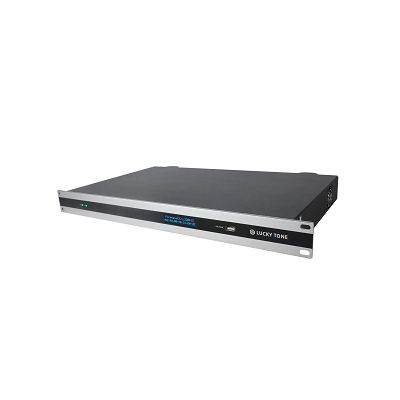
Dante Control Panels
৳ 0.00
Brand:
Key Features
- Dante Integration: Seamlessly connects with Dante networks for input/output of audio signals.
- Multi-Channel DSP Processing: Real-time processing for EQ, compressors, gates, mixers, etc.
- Flexible I/O Routing: Route audio from any Dante-enabled device to any destination.
- Low Latency: Ensures real-time audio performance with minimal delay.
- Remote Control & Monitoring: Web UI or software control over IP networks.
- Scalability: Easily integrates with additional processors or devices as the system grows.
- Presets and Scene Recall: Store and switch between different configuration setups.
- Third-Party Control Support: Compatible with control systems like Crestron, AMX, etc.
Brief Description
Dante Audio Processors are digital signal processors (DSPs) that utilize the Dante Audio-over-IP protocol to route, process, and manage multiple audio channels over a network. These processors handle tasks such as mixing, equalization, dynamic processing, routing, and signal conversion, all within a Dante-enabled ecosystem.
They are commonly used in professional AV installations to centralize audio processing and distribution across multiple endpoints with minimal cabling and high scalability.
Technical Specifications
(Note: Specifications vary slightly depending on the brand and model, e.g., Yamaha, QSC, BSS, Symetrix, etc.)
| Feature | Specification |
| Audio Channels | Typically 8×8 to 128×128 (input/output) over Dante |
| Sample Rate | 44.1 kHz / 48 kHz / 96 kHz (some models support 192 kHz) |
| Bit Depth | 24-bit |
| Latency | <1 ms (end-to-end Dante latency) |
| DSP Functions | EQ, compressors, limiters, feedback suppressors, crossovers |
| Network Interface | 1G Ethernet (RJ45), some with dual ports for redundancy |
| Control Interface | Web-based GUI, RS232, GPIO, Dante Controller |
| Redundancy | Yes (via Primary and Secondary Dante ports) |
| Power | 100–240V AC or PoE (depending on model) |
Applications
- Corporate AV Systems: Audio distribution and conferencing across meeting rooms and floors.
- Educational Campuses: Centralized audio processing for classrooms, auditoriums, and labs.
- Houses of Worship: Manage mics, instruments, and speakers for live or streamed services.
- Theatres & Performing Arts Centers: Handle multiple mic sources and speaker zones with advanced control.
- Hospitality & Retail: Multi-zone background music and announcements.
- Broadcast Studios: Real-time mixing and signal management for live production.
- Government & Defense Installations: Secure and flexible audio management across facilities.